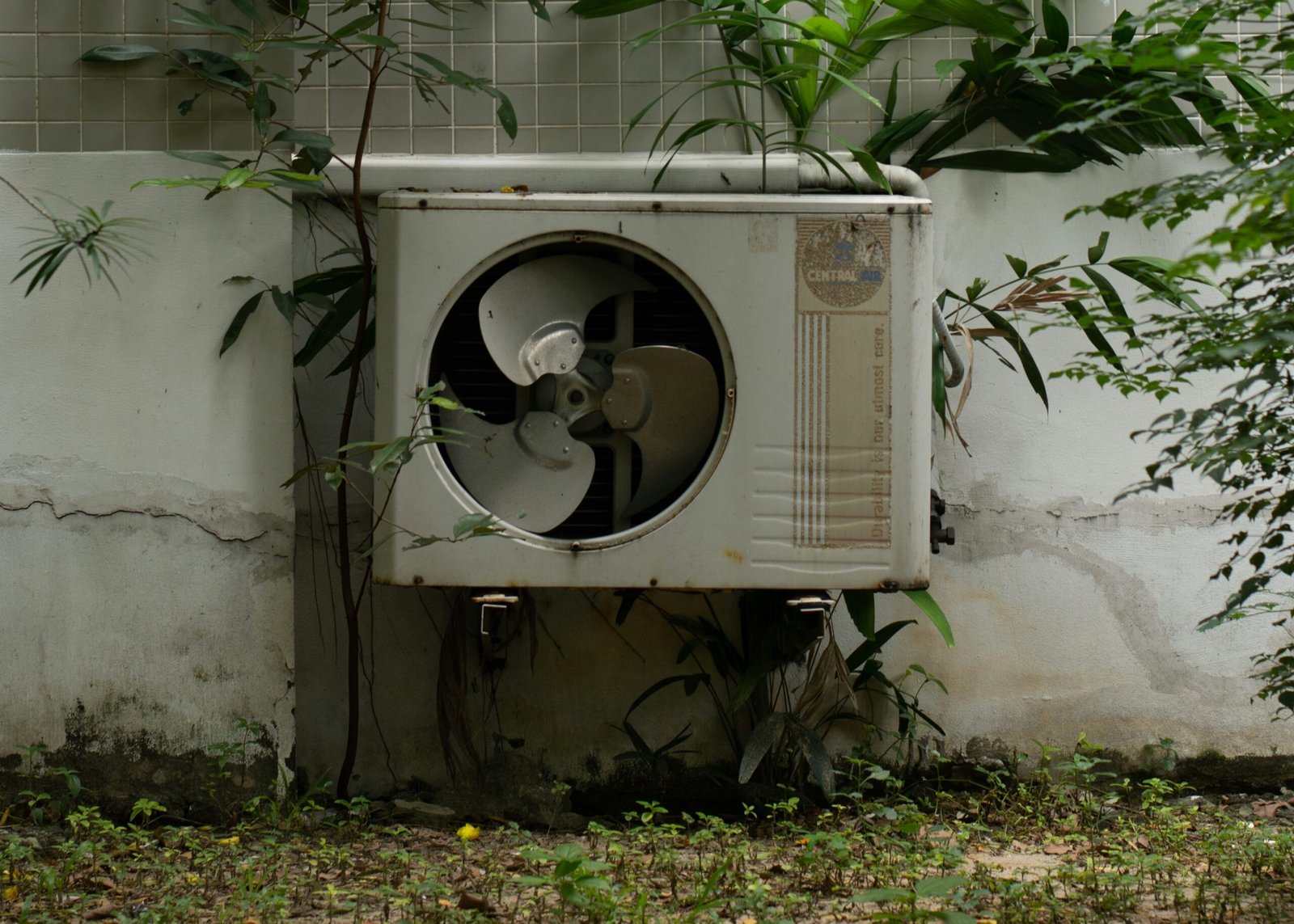
HVAC costs can vary significantly from one home to another, even when systems appear similar on the surface. Two homeowners may install heating and cooling systems around the same time and still receive very different price quotes. This difference is usually not random—it’s the result of multiple pricing factors that influence equipment selection, labor requirements, and overall installation complexity.
In 2025, understanding what affects HVAC costs is more important than ever. Rising labor expenses, stricter efficiency standards, and regional differences all play a role in pricing. This guide breaks down the 10 most important factors that affect HVAC costs, helping homeowners understand where their money goes and why estimates can vary.
1. Type of HVAC System
The type of HVAC system being installed or replaced is one of the biggest cost drivers.
Common system options include:
- Central air conditioning systems
- Furnace and AC combinations
- Heat pumps
- Ductless mini-split systems
Each system has different equipment requirements, installation processes, and price ranges. Systems that provide both heating and cooling, such as heat pumps, typically cost more upfront than single-purpose systems.
2. Home Size and Layout
Larger homes require larger HVAC systems to maintain comfortable indoor temperatures. System size is measured in capacity, and higher-capacity systems cost more.
In addition to square footage, layout matters:
- Multi-story homes
- Open floor plans
- Homes with vaulted ceilings
- Older homes with poor insulation
All of these factors can increase HVAC costs by requiring more powerful or specialized equipment.
3. Energy Efficiency Ratings
Energy efficiency has a direct impact on HVAC pricing. Systems with higher efficiency ratings generally cost more upfront but may reduce long-term operating expenses.
Efficiency ratings include:
- SEER (Seasonal Energy Efficiency Ratio) for cooling
- AFUE (Annual Fuel Utilization Efficiency) for furnaces
- HSPF (Heating Seasonal Performance Factor) for heat pumps
Higher-rated systems often use advanced components, which increases initial cost.
4. Existing Ductwork Condition
Ductwork plays a major role in HVAC pricing, especially for central systems.
Costs may increase if:
- Ducts are damaged or leaking
- Ducts are improperly sized
- Ductwork needs to be replaced or added
- No ductwork exists at all
Homes without existing ductwork may require duct installation or alternative systems such as ductless mini-splits, both of which can affect pricing.
5. Installation Complexity
Not all HVAC installations are straightforward. Complexity can significantly influence labor costs.
Factors that increase complexity include:
- Limited access to equipment locations
- Attic or crawl space installations
- Electrical upgrades
- Structural modifications
- Older home layouts
More complex installations typically require additional labor hours and specialized expertise, increasing total cost.
6. Local Labor Rates and Location
HVAC labor costs vary widely by region. Urban areas and regions with higher costs of living generally have higher labor rates than smaller cities or rural areas.
Location-related cost factors include:
- Regional wage differences
- Permit requirements
- Local building codes
- Climate-related demand
For this reason, HVAC costs can vary significantly between cities even for similar systems.
7. Permits and Inspections
Many HVAC installations require permits and inspections to meet local building codes. These requirements help ensure systems are installed safely and correctly, but they can add to overall cost.
Permit and inspection fees may include:
- Mechanical permits
- Electrical permits
- Final inspections
While these fees are usually a smaller portion of the total cost, they are an important factor to account for during budgeting.
8. Brand and Equipment Quality
HVAC equipment comes in a wide range of brands and quality levels. Higher-end brands often offer:
- Longer warranties
- Advanced technology
- Quieter operation
- Higher efficiency ratings
While premium equipment increases upfront costs, some homeowners value reliability and long-term performance over initial savings.
9. Seasonal Timing
The time of year can affect HVAC pricing. Demand for heating and cooling services peaks during extreme weather seasons.
Typical seasonal patterns include:
- Higher prices during summer heat waves
- Higher prices during winter cold spells
- More availability and lower demand during spring and fall
Scheduling installation during off-peak seasons may help reduce labor costs and improve scheduling flexibility.
10. Additional Features and Upgrades

Optional upgrades can increase HVAC costs but may improve comfort or convenience.
Common upgrades include:
- Smart thermostats
- Zoning systems
- Enhanced air filtration
- Humidity control systems
- Noise-reduction features
While not required, these features can add value depending on homeowner preferences and lifestyle needs.
How These Factors Combine to Affect Total HVAC Cost
HVAC pricing is rarely influenced by just one factor. Instead, total cost is usually the result of multiple elements working together.
For example:
- A large home with outdated ductwork
- Located in a high-cost metro area
- Installing a high-efficiency heat pump
- During peak season
All of these combined factors naturally result in higher installation costs compared to a smaller, simpler project.
Why HVAC Estimates Can Vary Between Homes
Homeowners are often surprised when HVAC estimates differ significantly from one contractor to another. These variations usually reflect:
- Different system recommendations
- Differences in labor approach
- Equipment brand preferences
- Scope of work included in the estimate
Comparing estimates carefully helps homeowners understand what is included and avoid unexpected expenses.
Tips for Managing HVAC Costs
While some factors are outside a homeowner’s control, others can be managed with careful planning.
Helpful cost-management tips include:
- Getting multiple estimates
- Choosing appropriate system size
- Balancing efficiency with budget
- Addressing insulation issues
- Planning installations ahead of peak seasons
Understanding pricing factors helps homeowners make more informed decisions.
Final Thoughts on HVAC Cost Factors
HVAC costs are shaped by a combination of system type, home size, efficiency standards, labor rates, and installation complexity. By understanding the 10 key factors that affect HVAC pricing, homeowners can better interpret estimates and plan their budgets.
Rather than focusing solely on upfront cost, evaluating long-term performance, efficiency, and maintenance needs often leads to more satisfying and cost-effective outcomes. Knowledge of these factors empowers homeowners to make confident HVAC decisions that align with both comfort and financial goals.