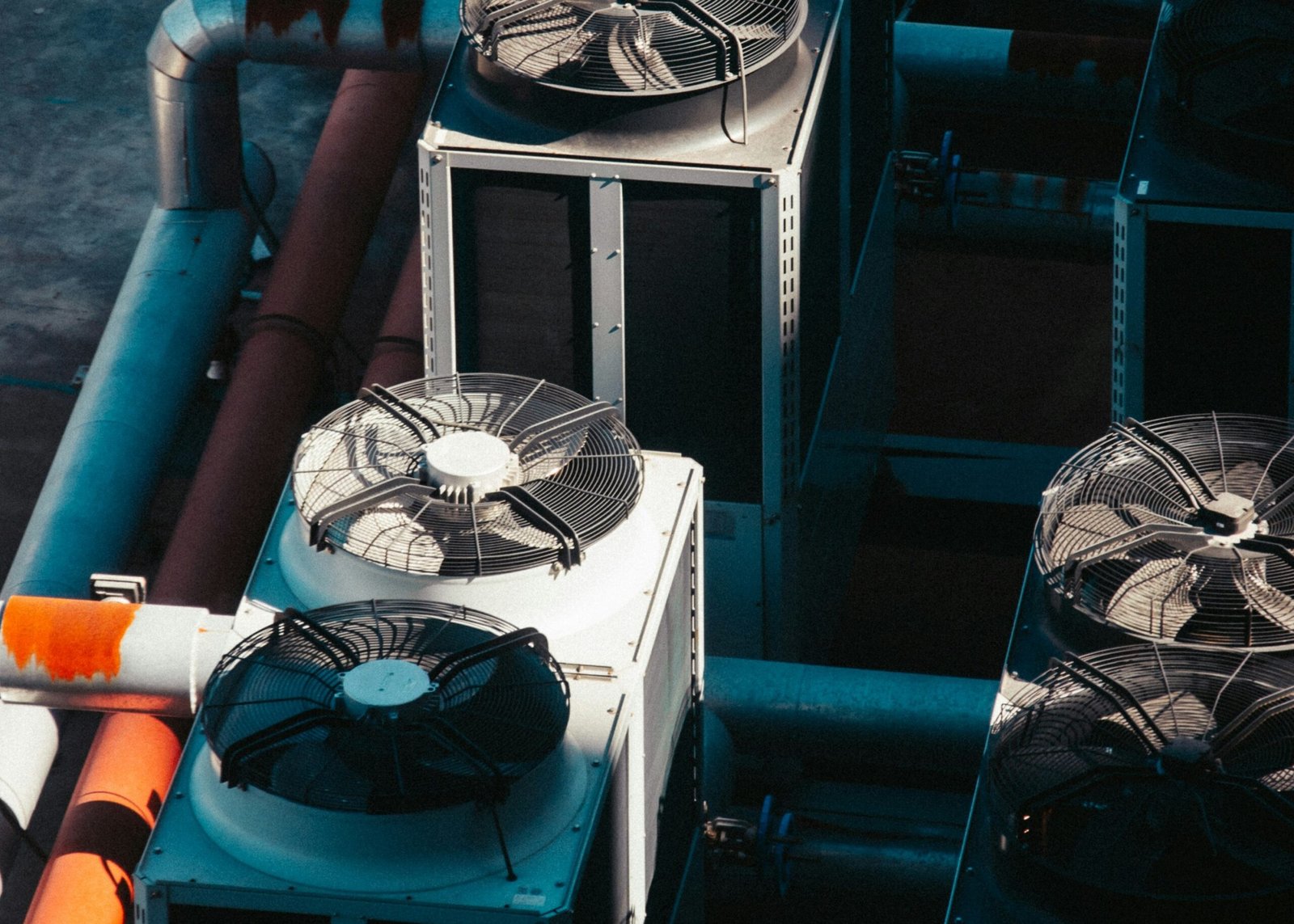
If you’re planning to install a new HVAC system, one of the first questions that comes up is cost. HVAC installation is a major home investment, and prices can vary widely depending on your home, the type of system you choose, and where you live. Understanding what goes into HVAC pricing can help homeowners set realistic expectations and avoid surprises during the installation process.
In 2025, HVAC installation costs continue to reflect rising equipment prices, labor rates, and energy-efficiency standards. While this may seem overwhelming at first, breaking down the costs makes the process far easier to understand. This guide explains average HVAC installation costs, what factors affect pricing, and how homeowners can make informed decisions when budgeting for a new system.
Average HVAC Installation Cost in 2025
On average, homeowners can expect to pay between $5,000 and $12,500 for a complete HVAC installation in 2025. This range includes the cost of equipment, labor, and basic installation materials.
Here’s a general breakdown of typical HVAC installation pricing:
- Low-end installations: $5,000–$6,500
- Mid-range installations: $7,000–$9,500
- High-end installations: $10,000–$12,500+
Costs can fall outside this range for large homes, complex installations, or high-efficiency systems, but these figures represent a realistic national average.
What Is Included in HVAC Installation Costs?
HVAC installation pricing is not just about the unit itself. Several components contribute to the total cost.
Equipment Costs
The HVAC system itself typically accounts for 40%–60% of the total installation cost. This includes:
- Air conditioner or heat pump
- Furnace or air handler
- Thermostat
- Condenser unit
Higher-efficiency systems and well-known brands usually cost more upfront.
Labor Costs
Labor typically makes up 30%–40% of the total cost. Labor pricing varies by location, system complexity, and the condition of the existing setup. Homes with older systems or limited access may require additional labor hours.
Installation Materials
Materials may include:
- Refrigerant lines
- Electrical wiring
- Mounting hardware
- Drain lines
- Minor duct modifications
These costs are usually bundled into the overall installation price.
HVAC Installation Cost by System Type
The type of HVAC system you choose has a significant impact on total cost.
Central Air Conditioning System
- Average cost: $5,500–$9,000
Central air systems are common in many homes and typically require existing ductwork. Costs increase if ductwork needs to be installed or repaired.
Heat Pump System
- Average cost: $6,000–$12,000
Heat pumps provide both heating and cooling and are becoming more popular due to energy efficiency. While upfront costs are higher, operating costs may be lower over time.
Furnace and AC Combo
- Average cost: $6,500–$10,500
This setup includes both a furnace and air conditioning unit, making it suitable for colder climates.
Ductless Mini-Split System
- Average cost: $6,000–$11,000
Ductless systems are ideal for homes without ductwork and allow for zoned temperature control.
HVAC Installation Cost by Home Size
Home size directly affects HVAC system pricing because larger homes require more powerful systems.
- 1,000–1,500 sq ft: $5,000–$7,500
- 1,500–2,500 sq ft: $7,000–$10,000
- 2,500+ sq ft: $9,000–$12,500+
Proper system sizing is essential. Installing a system that is too large or too small can lead to inefficiency, higher energy bills, and increased wear.
New Installation vs HVAC Replacement Costs
There is a difference between installing an HVAC system in a new home and replacing an existing one.
HVAC Replacement
Replacing an old system is usually less expensive because ductwork and electrical connections are already in place. Replacement costs typically range from $5,000 to $9,000.
New HVAC Installation
New installations often cost more due to additional work such as duct installation, electrical upgrades, or structural modifications. New installations may range from $7,500 to $12,500 or more.
Factors That Affect HVAC Installation Costs
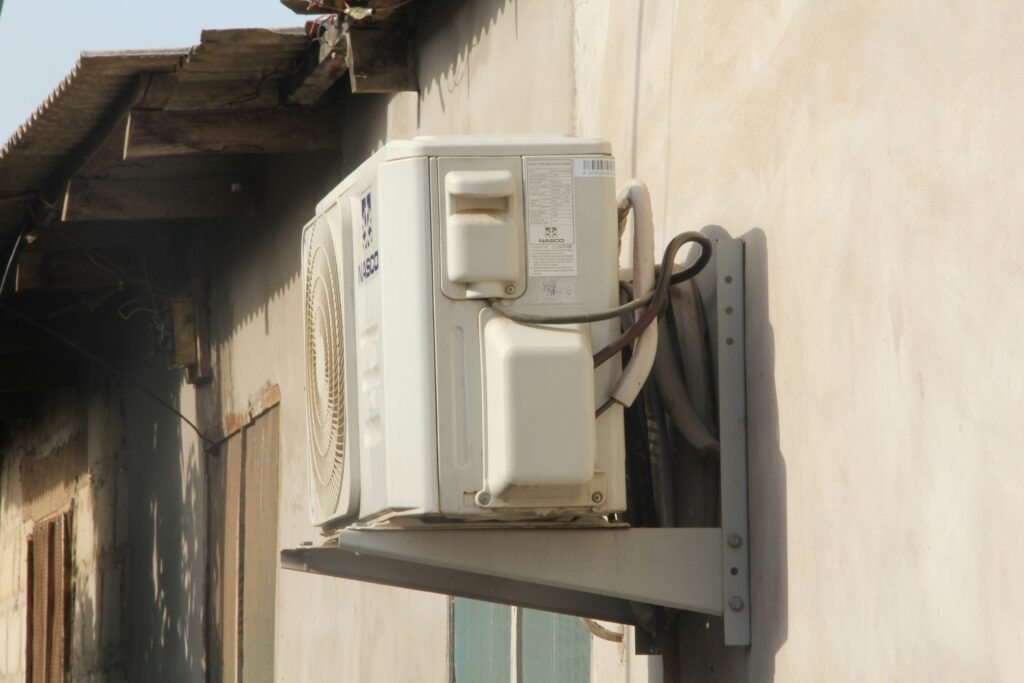
Several factors influence HVAC installation pricing beyond system type and home size.
Energy Efficiency Ratings
Higher-efficiency systems with higher SEER ratings cost more upfront but may reduce long-term energy expenses.
Ductwork Condition
Homes with damaged or outdated ductwork may require repairs or full replacement, increasing total cost.
Climate and Location
Labor rates, permit costs, and climate demands vary by region, affecting overall pricing.
Permits and Inspections
Local building codes may require permits and inspections, which can add several hundred dollars to the project.
Seasonal Demand
HVAC installation costs may be higher during peak heating and cooling seasons when demand is highest.
Are HVAC Installation Costs Worth It?
While HVAC installation is a significant expense, it is also an investment in comfort, energy efficiency, and home value. New systems typically:
- Operate more efficiently
- Require fewer repairs
- Provide consistent indoor comfort
- Improve indoor air quality
Many homeowners also experience lower energy bills after upgrading to a modern HVAC system.
Tips for Managing HVAC Installation Costs
Homeowners can take steps to manage costs without sacrificing quality:
- Compare multiple estimates
- Choose the right system size
- Consider long-term efficiency, not just upfront cost
- Schedule installation during off-peak seasons
- Ask about energy rebates or incentives
Careful planning can help balance affordability and performance.
Final Thoughts on HVAC Installation Costs
In 2025, HVAC installation costs reflect both modern efficiency standards and rising labor expenses. Most homeowners can expect to spend between $5,000 and $12,500, depending on system type, home size, and installation complexity.
Understanding what influences HVAC pricing allows homeowners to plan effectively and make informed decisions. Whether replacing an old system or installing a new one, knowing what to expect helps ensure a smoother and more predictable installation experience.